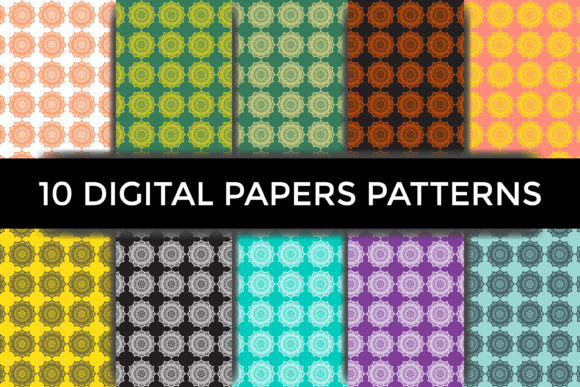
Mandala Ornamental Pattern: A Timeless Design for Modern Creativity
Mandala ornamental pattern is a design concept rooted in ancient symbolism and spiritual traditions, often characterized by intricate geometric shapes, symmetrical layouts, and vibrant color schemes. These patterns have evolved over time, becoming a popular choice for artists, designers, and crafters looking to add visual interest and cultural depth to their work. The Mandala Ornamental Pattern set offers a collection of 10 digital colorful mandala patterns, each designed to be seamless and adaptable for a variety of creative applications.
What Makes Mandala Ornamental Pattern Distinct?
Mandala ornamental pattern stands out due to its balanced structure and aesthetic appeal. Unlike other decorative designs that may prioritize complexity or asymmetry, mandalas often emphasize harmony and repetition. This makes them ideal for use in backgrounds, textiles, and graphic design projects where consistency and visual flow are important. The patterns in this set incorporate a range of colors and motifs, allowing users to choose the most suitable option for their specific project needs.
The use of mandalas in modern design has expanded beyond traditional spiritual contexts. Today, they are widely used in areas such as interior design, fashion, and digital art. Their versatility allows them to be adapted to different styles, from minimalist to highly detailed, making them a flexible choice for creators across various disciplines.
Comparing Mandala Ornamental Pattern with Other Decorative Styles
When considering decorative patterns, it's important to evaluate how Mandala Ornamental Pattern compares with other options. For instance, while floral patterns often focus on organic shapes and natural elements, mandalas tend to rely on structured, repeating forms. This distinction can influence the overall feel of a design—floral patterns may evoke a sense of nature and growth, whereas mandalas often suggest order, balance, and introspection.
Similarly, abstract patterns may offer more freedom in terms of form and color, but they can sometimes lack the cohesive structure that mandalas provide. For projects requiring a strong visual rhythm or a sense of unity, Mandala Ornamental Pattern can be a more effective choice. However, for those seeking a more fluid or experimental approach, other styles might be more suitable.
Strengths and Tradeoffs of Mandala Ornamental Pattern
The strengths of Mandala Ornamental Pattern lie in their adaptability, aesthetic appeal, and cultural significance. These patterns can be easily scaled and repeated without losing quality, making them ideal for use in digital and print media. Additionally, their symbolic meaning can add an extra layer of depth to creative projects, especially when working with themes related to mindfulness, spirituality, or personal expression.
However, there are tradeoffs to consider. Mandalas can sometimes be overwhelming if not used in moderation, particularly in designs that already contain multiple elements. Their repetitive nature may also lead to a sense of monotony if not paired with contrasting textures or colors. In such cases, alternative patterns that offer more variation in shape or structure might be more appropriate.
Best Fit Situations for Mandala Ornamental Pattern
Mandala Ornamental Pattern is particularly well-suited for projects that benefit from a structured, symmetrical layout. For example, in scrapbooking, these patterns can serve as a background that complements other decorative elements without competing for attention. In packaging design, they can add a touch of elegance and sophistication, especially for products targeting a wellness or artisanal market.
These patterns are also useful in digital art and graphic design, where seamless repetition is essential. The availability of multiple formats—including JPG, AI, and raster files—makes it easier for users to integrate these designs into different workflows. Whether working with vector graphics or high-resolution images, the Mandala Ornamental Pattern set provides flexibility and quality that can meet a wide range of creative needs.
Limitations and Decision Factors
While Mandala Ornamental Pattern offers many advantages, it’s important to assess whether it aligns with the goals of a particular project. One limitation is that the design may not be suitable for all audiences or industries. For example, highly abstract or unconventional patterns might be more appropriate for avant-garde art or experimental design, whereas mandalas may be better suited for more traditional or meditative applications.
Decision factors include the intended use, target audience, and overall design theme. If the goal is to create a calming or reflective atmosphere, mandalas can be an excellent choice. However, for projects that require bold, dynamic visuals, other pattern styles may be more effective. It’s also worth considering the technical requirements, such as file format compatibility and resolution, to ensure that the chosen pattern meets the necessary standards.
Practical Examples and Use Cases
One practical example of using Mandala Ornamental Pattern is in the creation of custom stationery. A designer might use a mandala background for notepads, journals, or greeting cards, adding a unique and artistic touch that sets their work apart. The seamless nature of the patterns ensures that the design looks clean and professional, even when repeated across multiple pages.
In the context of packaging, these patterns can be applied to product labels, boxes, or wraps. For instance, a company selling handmade soaps or candles could use a mandala design to convey a sense of natural beauty and craftsmanship. The vibrant colors and intricate details can enhance the visual appeal of the product, making it more attractive to potential customers.
When Mandala Ornamental Pattern Is the Right Choice
Mandala Ornamental Pattern is the right choice when the goal is to create a visually engaging and meaningful design. It works well for projects that require a balance between aesthetics and structure, such as branding materials, educational resources, or personal creative projects. Its ability to convey both beauty and symbolism makes it a valuable tool for designers who want to add depth and character to their work.
Additionally, the availability of multiple formats ensures that users can select the most appropriate option based on their technical needs. Whether working with digital tools or preparing materials for print, the Mandala Ornamental Pattern set offers a reliable and versatile solution.
Alternatives to Consider
For those who find that Mandala Ornamental Pattern does not fully meet their needs, there are several alternatives to consider. Abstract patterns, for instance, offer greater flexibility in terms of shape and composition, making them ideal for experimental or non-traditional designs. Floral or nature-inspired patterns may be more suitable for projects that aim to evoke a sense of organic beauty or connection to the environment.
Other options include geometric patterns, which emphasize clean lines and symmetry, or tribal or cultural motifs that bring a different kind of visual storytelling to a project. Each of these alternatives has its own strengths and limitations, and the best choice will depend on the specific goals and preferences of the user.